

Preserving Our Industrial Fabric: Lessons from the Little River Mill
By Matt Carlson
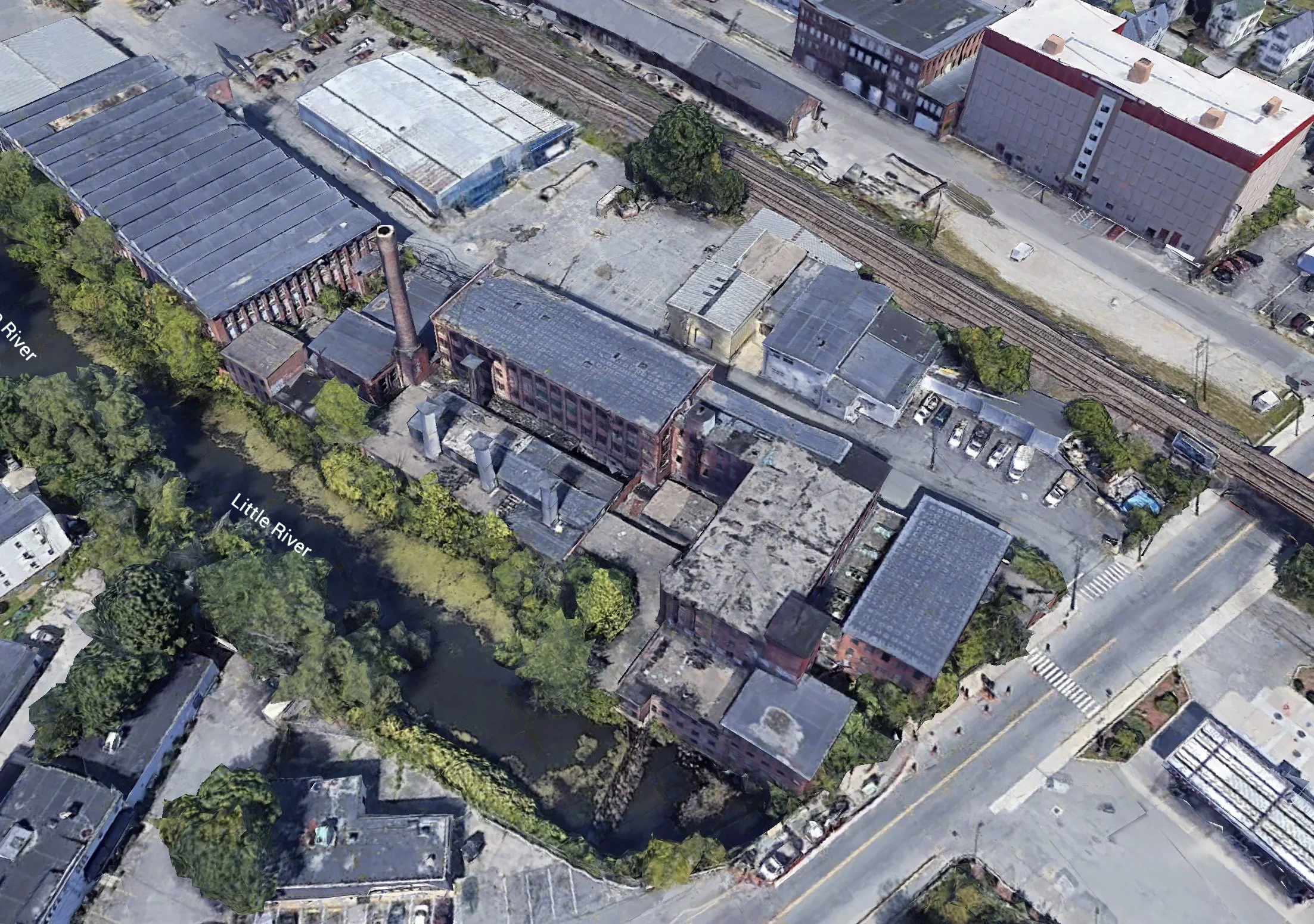
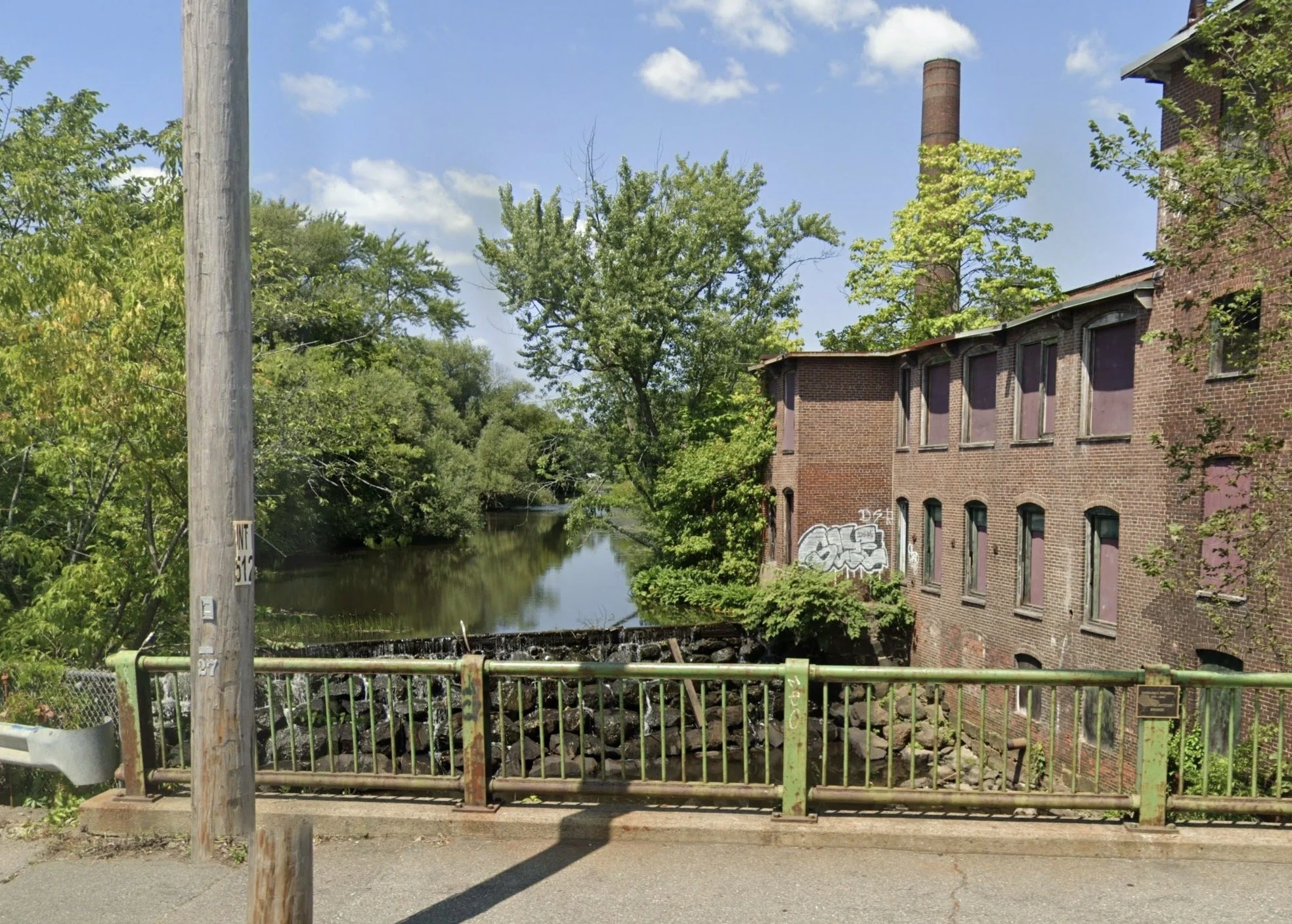
Aerial image from Google Earth
For over a century, the historic Little River Mill anchored the corner of Winter Street and Lafayette Square in Haverhill, Massachusetts. Situated along the Little River and adjacent to the MBTA Commuter Rail, the multi-story brick complex stood as a quiet landmark of the city’s industrial heritage. However, following a destructive fire in early 2026, city authorities ordered the full clearance and demolition of every structure on the property. What remained was an empty footprint and a stark reminder of how quickly built history can vanish.
The loss of the mill underscores why municipal leaders, developers, and residents must prioritize maintenance and adaptive reuse over demolition. When historic brick structures are leveled, the environmental cost is immediate. Demolition forfeits the carbon already sequestered within existing masonry. Constructing replacement buildings from scratch requires new concrete and steel, generating a substantial carbon footprint that true adaptive reuse avoids.
Demolition also wipes out structural envelopes that can address urgent civic needs. Upper floors in historic manufacturing buildings offer natural light and vast space ideal for residential lofts, including affordable housing dedicated to local workers. When sites are cleared, cities lose ready-made opportunities to create dense housing near transit hubs without starting from ground zero.
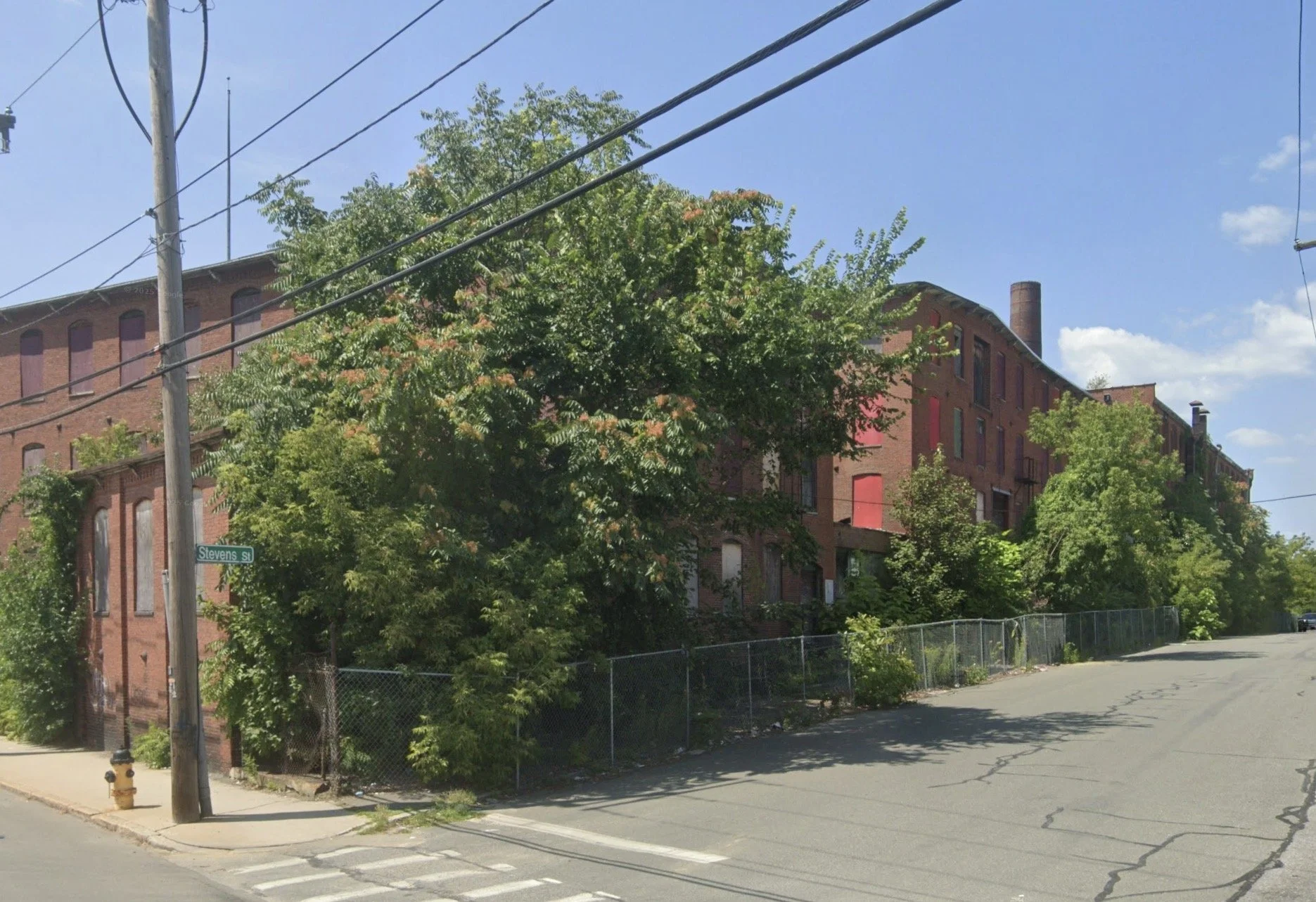
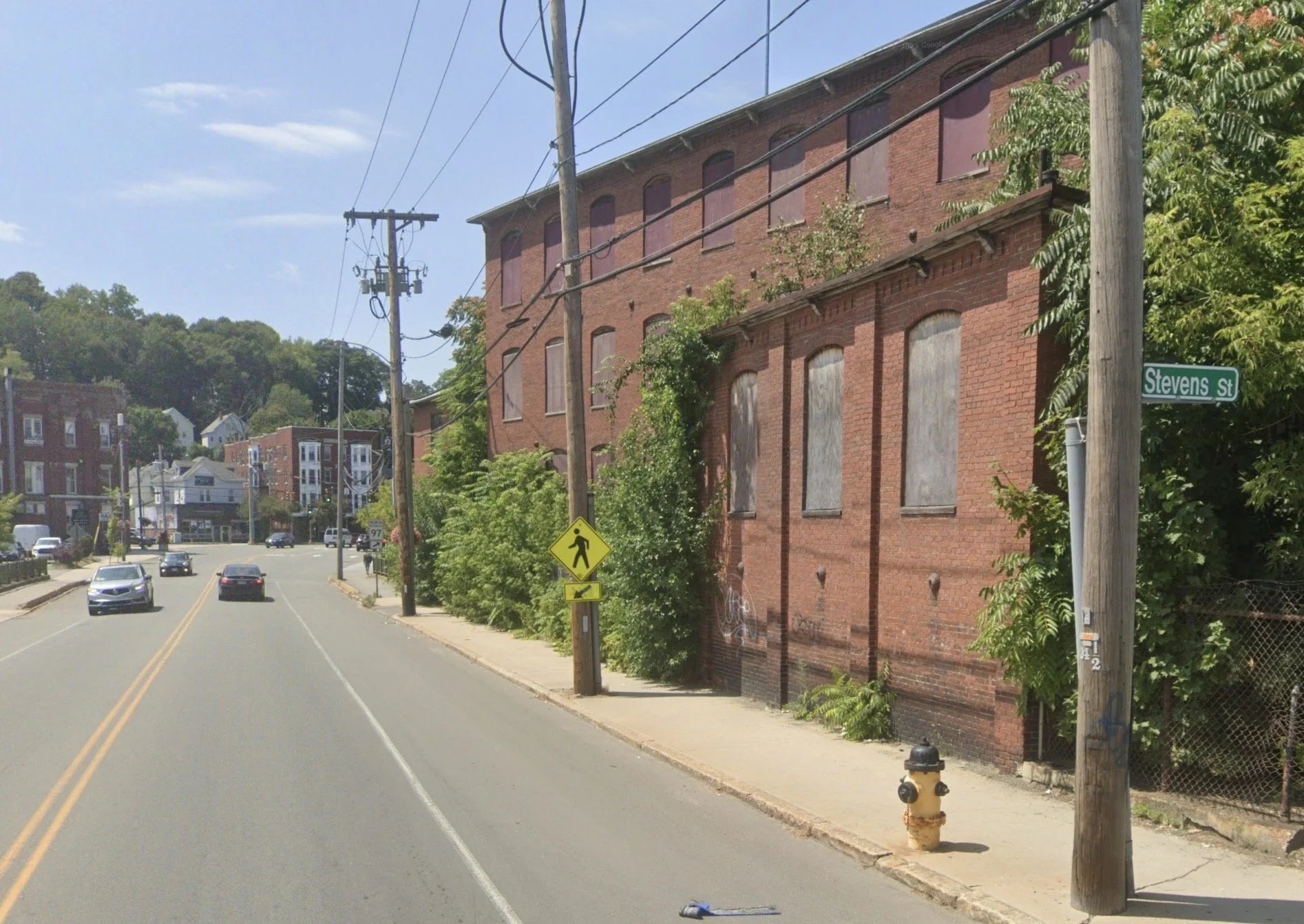
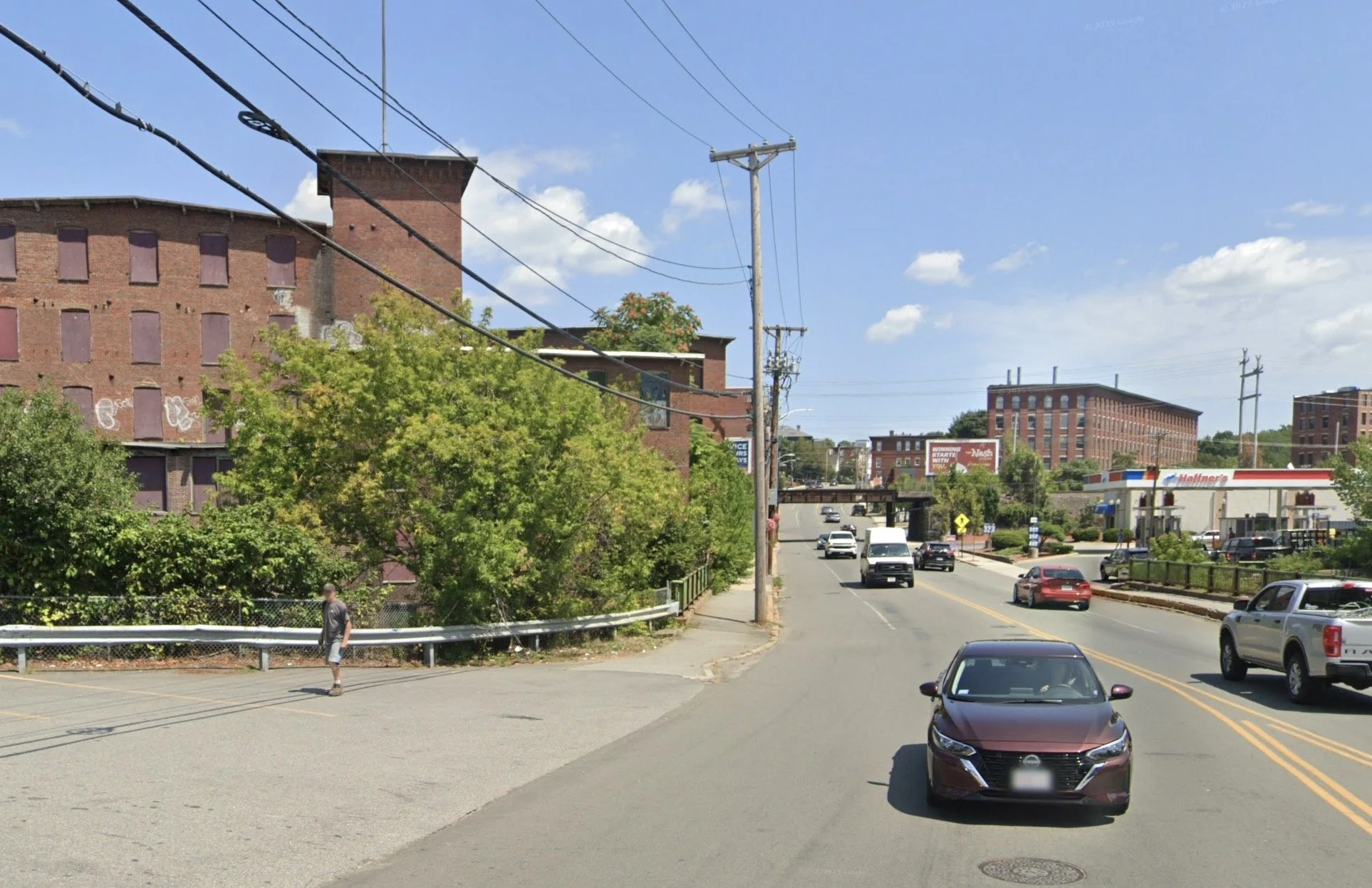
In response to the loss of the mill, we wanted to explore a solution seeks to reconstruct community value through ground-up design that pays homage to the site’s historic character. The design introduces "Little River Lofts" to deliver workforce housing alongside flexible commercial workspaces at "Riverfront Studios". At street level, "Millside Market" will feature a local grocer and artist maker spaces, replacing urban isolation with an active neighborhood hub.
Environmental health remains central to the new plan. The project requires extensive soil remediation to clear 19th-century heavy metals and hydrocarbons, while clearing debris from the Little River restores natural hydrology and flood resilience. Rooftop solar arrays, permeable pavers, and rain gardens will filter stormwater before it reaches the Merrimack River watershed.
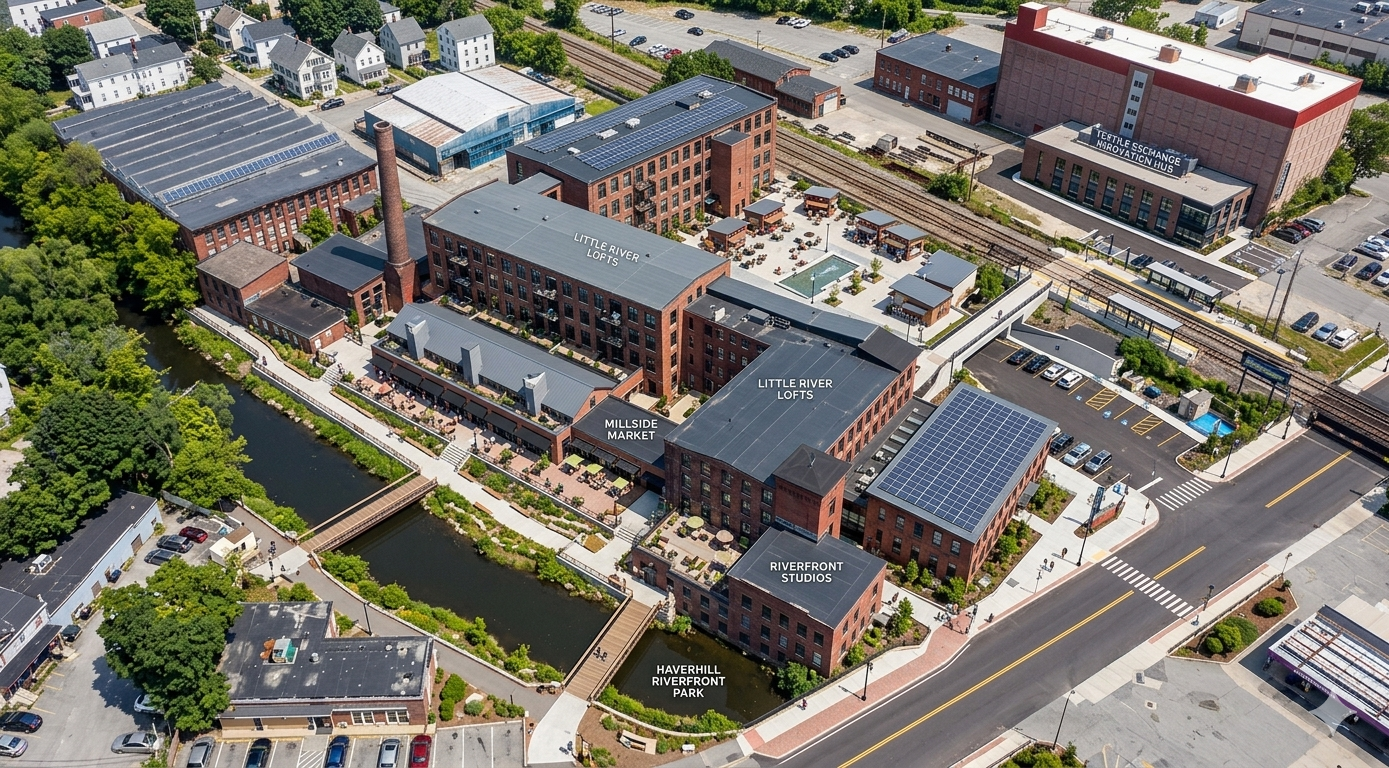
Aerial image generated using AI
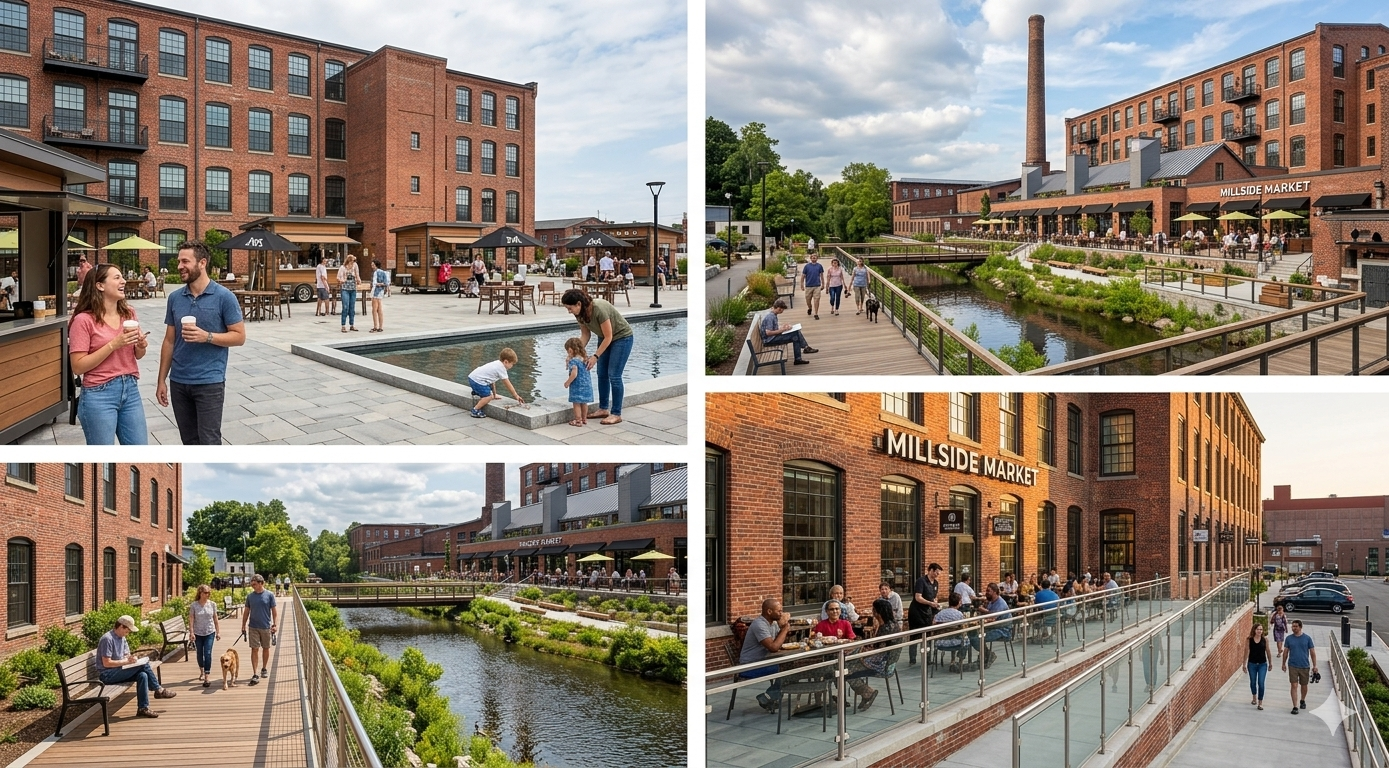
Concept renderings generated using AI
Crucially, the plan re-centers community connections through a pedestrian-only central plaza that links directly to the MBTA Commuter Rail, reducing vehicle miles traveled across Haverhill. Public boardwalks along Haverhill Riverfront Park transform a neglected riverbank into an accessible civic space
While this ground-up project offers a thoughtful path forward, the story of The Little River Mill proves that preserving and retrofitting existing buildings should always be our first choice. Rebuilding after demolition can capture functional goals, but protecting original structures saves embodied carbon, protects local identity, and builds stronger communities before crisis forces our hand.
