

Understanding The Bidding Process & Construction Costs
The design and construction process is complicated and can feel overwhelming, particularly if you’ve never experienced it before. We understand this better than most. Throughout the life of your project, you will be faced with hundreds, if not thousands of decisions to make that will drive the bottom line costs.
Determining construction costs for any given project is a process, and in fact, an entire profession all on its own. Construction Estimators go to school to learn all of the components of construction and the material and labor implications of those components. When you ask a contractor for a quote, it’s no small task. Developing an estimate of construction takes weeks, sometimes months, in order to collect the necessary information from the individuals who will be performing the work.
At MAC Design, it is our intention to keep our clients informed every step of the way so they can understand the cost implications of the design.
What are the key factors that drive bottom line construction costs?
-
Market refers to an area or region of the country and/or state that you live in and is the driver behind critical cost-impact conditions such as: material availability & prices, contractor/labor availability & rates, and even things like interest rates for loans or other financing.
-
To a certain degree, the design and scope of the project is what it is. With that comes a baseline level of work that is required to complete the job. As Architects, it is our responsibility to help steer this ship in the right direction to ensure that the baseline requirements are within budgetary expectations.
-
This refers to the specific cost of finish materials, products such as plumbing fixtures or lighting fixtures, and other specific equipment required or requested as part of the scope of work. The cost of the items can have a major impact on total costs.
As an example, a full-gut standard bathroom renovation can cost you between $10,000 - $20,000 or $80,000 +, depending on the specific materials or products you select.
-
Hard costs refer to the tangible, quantifiable components of a project like: material and labor costs associated with the scope of work
Soft costs refer to things like: costs of land, permitting fees, design fees, contractor overhead and profit, and contingency fees.
Contractor overhead, profit, and contingencies will vary. It’s important to understand what specifically is included in these costs before you get started with the work.
Bidding & Negotiations
Every contractor has a different way of approaching a project: different methods of communication, different in-house vs. subcontract work capabilities, different solutions for overcoming challenges. Many times when you are receiving quotes through a “competitive bid” process, you are not comparing apples-to-apples. This is why making a selection purely based on their bottom line estimate is not always the best solution.
The vast majority of contractors are not out to intentionally “get you”, or fleece you over. They want the same success for your project as you do. Sure, there are bad ones, just like there are bad architects. Contractors are working in a highly volatile environment where everything around them is constantly changing, and not every contractor is the same. This is why it can be very challenging comparing apples to apples when hiring one, especially if you’re not quite sure which apples you’re comparing to which.
For all of these reasons, it is critical for you to know the right questions to ask a contractor when hiring them, and to have at least a general understanding of your project’s requirements.
Typical processes for hiring / working with a contractor:
-
Competitive bidding refers to the process in which you request construction cost quotes/estimates from multiple contractors.
The term “competitive” refers to the idea that owners typical select the “most competitive” bid. This can be interpreted in different ways, but usually means the lowest bid.
-
This refers to the process in which an owner selects a single contractor to work with and negotiates a contract, scope of work, and budget with that contractor.
-
The contractor provides a total price for the entire project upfront. Profit is earned if they complete the work for less than this amount through efficiency and cost-saving measures.
-
The contractor is reimbursed for all project expenses (materials, labor, etc.) plus a predetermined management fee, which is often 10–20% of the total costs.
-
Clients pay an hourly or daily rate for labor, plus the actual cost of materials used. This is common for smaller or poorly defined repair jobs.
Typical contract types:
-
This has long been the most common project delivery method. D-B-B refers to the process through which:
The owner hires a designer or design team to design the project and produce a final deliverable set of construction documents and drawings.
The owner sends the project out to bid and collects proposals from multiple contractors, awarding the project to a single contractor/builder.
The contractor executes construction under a separate contract.
-
This method is advertised as a streamlined project delivery process in which the designer and the builder operate under a single contract, working in tandem from project conception to project completion.
Be weary of companies offering this project delivery method. If you are talking to a Design-Build firm, ask them if they have a licensed architect on staff, how long that architect has been in practice (with and without the firm), and what types of projects they’ve worked on. Often times Design-Build firms hire a low to mid-level draftsperson to produce simple floor plans to build from that can leave out critical project details that need to be considered.
-
There are multiple approaches to Construction Management project deliveries:
CM at Risk (CMAR): The construction manager (CM) acts as a consultant during the design phase and then acts as a general contractor during construction. The CM provides a Guaranteed Maximum Price (GMP), providing budget certainty for complex projects.
The CM acts purely as the owner's representative, offering expertise without taking on the risk of construction. The owner holds all subcontractor contracts, allowing for better control and lower risks of conflict of interest.
Similar to CM-Agent, the owner holds multiple contracts for different portions of the work (e.g., HVAC, electrical), often overseen by a CM, allowing the owner to act as their own general contractor
Typical project delivery methods:
-
General contractors (GCs) hire specialized trades (e.g., plumbers, electricians) and add a margin (markup) to the subcontractor's bill for managing them.
-
Contractors often receive professional or bulk discounts at supply stores but charge the client the standard market rate, keeping the difference as profit.
-
When a client requests modifications mid-project, contractors charge for the additional labor and materials, often at a higher profit margin than the original contract.
-
Some contracts include bonuses for completing a project ahead of schedule or under a specific budget.
Additional Sources of Contractor Profit:
Impacting the Trades
MAC Design is deeply rooted in the trades. We come from families of tradesmen and women and have deep love and respect for the people who are ultimately responsible for turning your dream project into a reality.
When talking about the competitive bidding process, it’s important that we don’t overlook the downstream impact that cost competitiveness can have on the men and women with their boots on the ground actually doing the work. We have seen the impact that competitive bidding can have on a contractor and their team of sub-contractors (the trades). When contractors are put in a situation where they feel like they need to be the lowest bid in order to win a project, it often comes with a cost that has the most detrimental impact to the folks at the bottom of the chain.
Instead of asking the question: “How can we alter the design in order to meet the client’s budget?”
We often hear: “How can the contractor reduce their costs to deliver our desired outcome?”
Often times, the latter question leads to contractors and sub-contractors alike feeling squeezed, reducing their profit margins, increasing their risk, and ultimately asking the trades to adjust their numbers and take the hit in order to win the work. This can also have a misleading impacting on the initial construction estimate, as items may get overlooked or left out, leading to more costly change orders down the line.
Where do we start if we want to get an understanding of how much our project is going to cost?
While it is certainly not the most accurate way to determine what your bottom line costs are going to be, the only real way to get a basic understanding of construction costs is to perform a cost-per-square-foot analysis.
Running these numbers should never be considered the end-all-be-all, but will help give you a conceptual understanding of the overall cost impact of the scope of work.
Single-Family
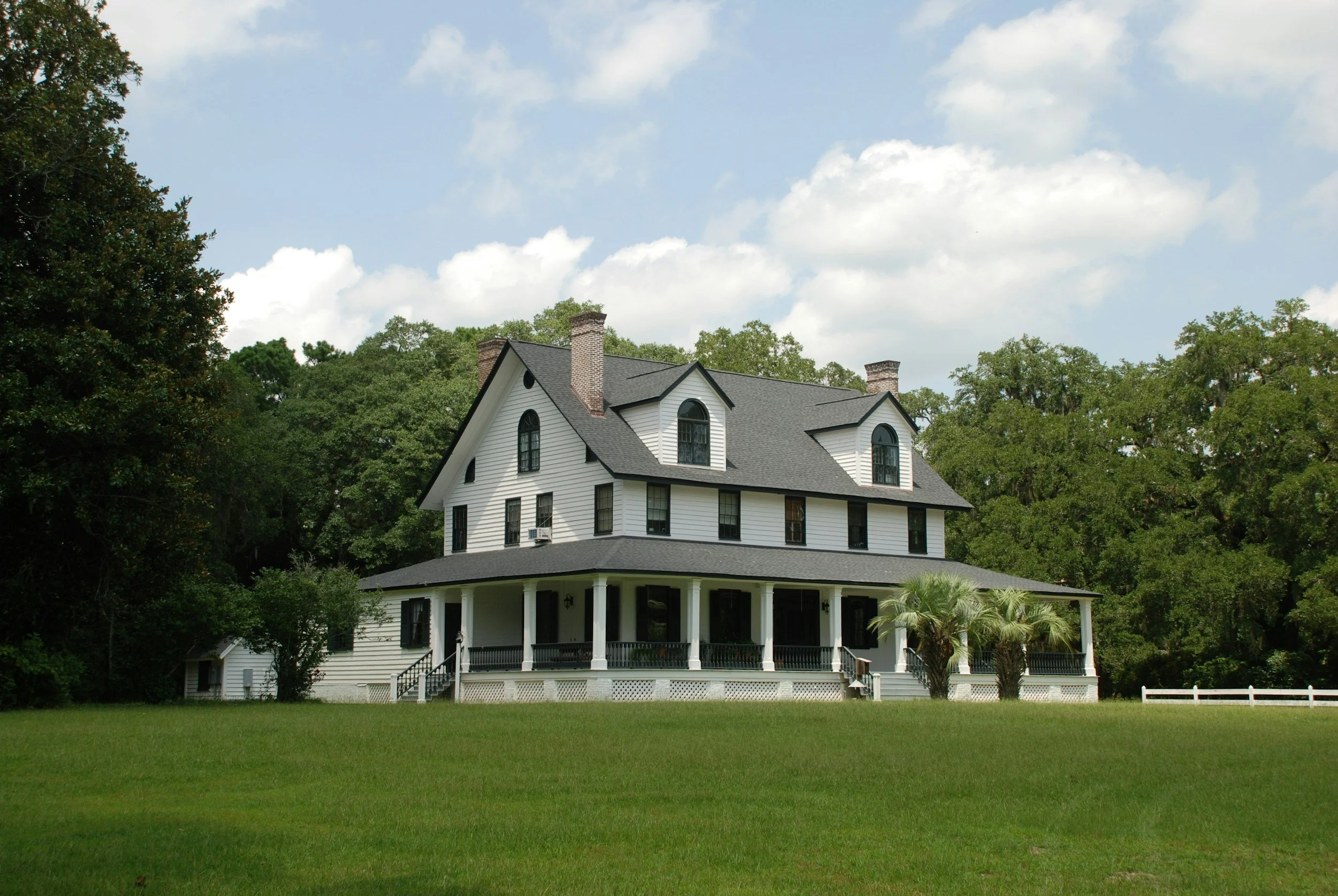
Low
$250 - $350
Mid
$350 - $550
High
$600 - $900+
Multi-Family
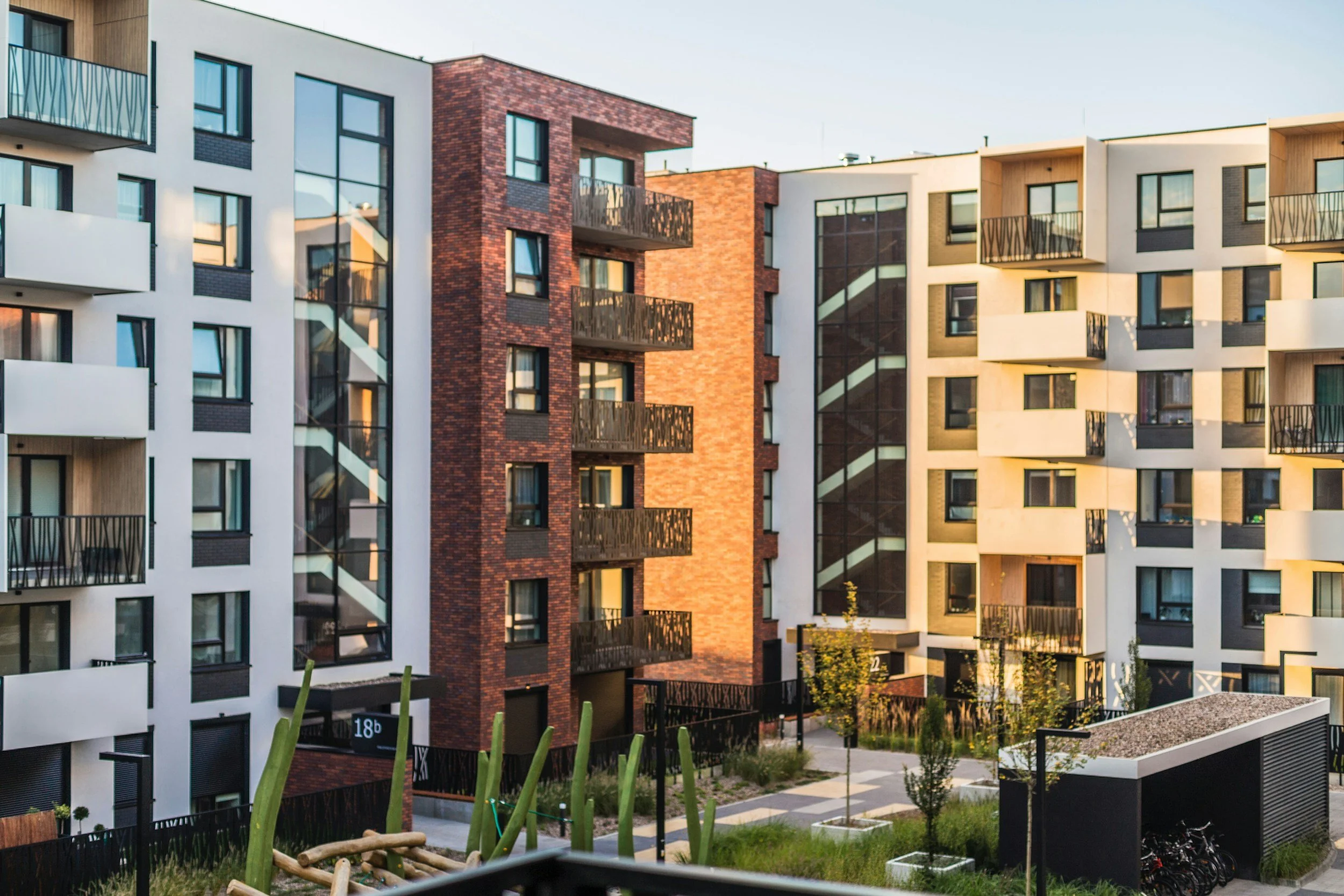
$200 - $300
$300 - $450
$450 - $600+
Commercial

$250 - $400
$400 - $650
$700 - $1,000+
Things to consider:
It’s important to note that these figures typically do not include soft costs (see top of page for hard costs vs. soft costs). Soft costs typically add 15 - 20% to the project.
When performing a conceptual cost-per-square foot analysis, we always recommend using at the very least the low end of the Mid-Tier costs.
If you are dealing with a project that involves an addition to an existing structure, you should carefully include any areas of the existing structure that are to be renovated or impacted by the proposed scope of work. If the proposed work is anticipated to not impact the existing structure, you should still add a minimum of 10% - 15% on top of the number calculated for the proposed work.
For renovations or additions to older structures (80-100 yrs +), you should include an additional 15% - 20% contingency for unforeseen conditions.
For new construction projects, you should include at least an additional 5% - 10 % contingency.
Typical Construction Cost Breakdown By Trade
Component / Trade
% of Hard Costs
Site Work & Foundation
10 - 15%
Framing & Structure
15 - 20%
Exterior Finishes (Shell)
15 - 20%
Mechanicals (MEP)
10 - 15%
Interior Finishes
20 - 25%
General Conditions
10 - 15%